Chicken Coop Run Ideas
Highlighted under: Inspired World Food Collection
When I first started raising chickens, I quickly realized that keeping them entertained and safe is crucial. I wanted to create a chicken coop run that not only protected my feathery friends but also provided them with enough stimulation to thrive. After experimenting with various layouts and features, I’ve rounded up some fantastic ideas that worked wonders for my coop run. From perches to digging spots, I found ways to blend functionality with fun for my flock.
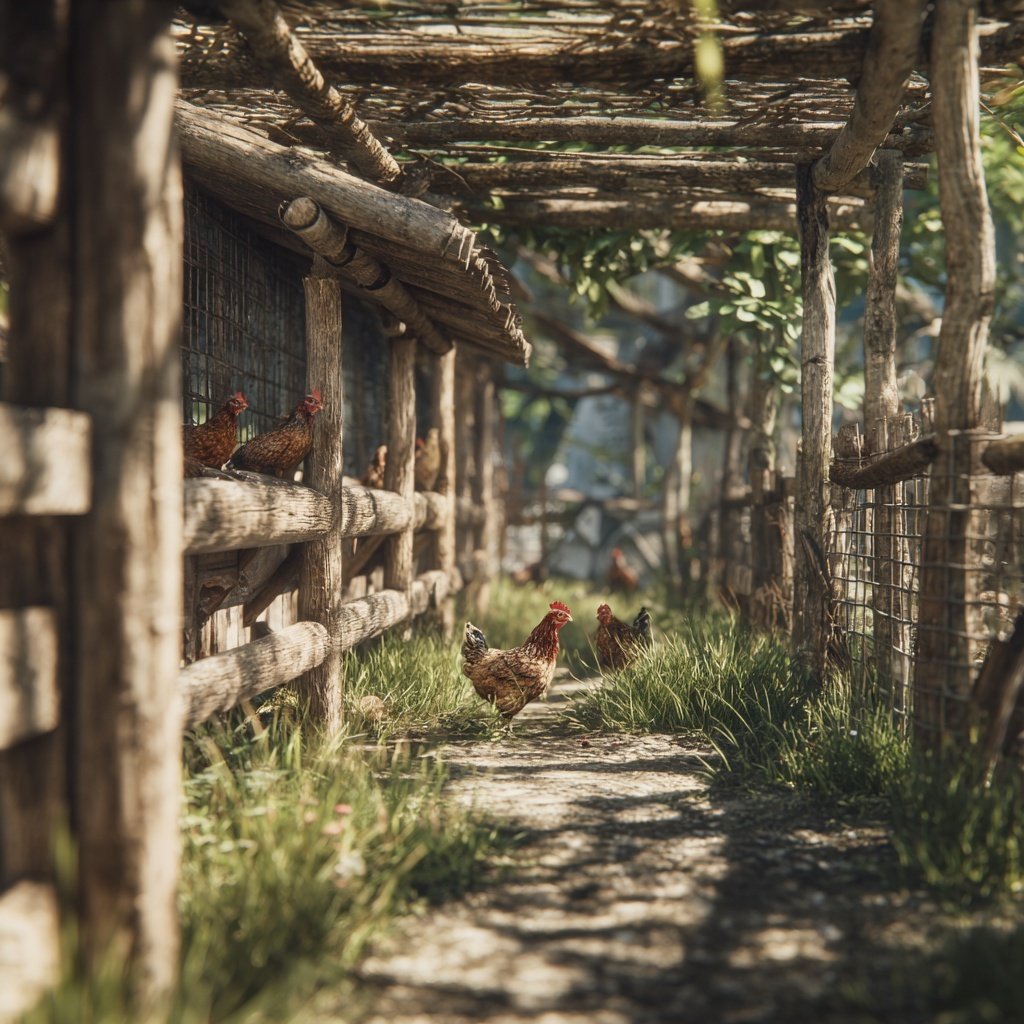
Over the years, I've tried different configurations in my chicken coop run, and I've learned that variety is key. Adding elements like tunnels and ramps really keeps my girls happy and active. I also discovered that planting certain greens can create a mini-garden that not only beautifies the space but offers fresh snacks right where they roam!
One key tip I've learned is to rotate the natural elements in the run. By periodically changing out the toys or adding new perches, I can keep my chickens engaged and prevent boredom. It’s crucial for their mental and physical health!
Why You'll Love These Ideas
- Encourages natural behaviors and instincts in chickens
- Creates a visually attractive outdoor space
- Improves your chickens' overall health and happiness
Creating an Engaging Environment
One of the most effective ways to keep your chickens entertained and engaged is by incorporating diverse elements into their run. Chickens naturally exhibit foraging behavior, so adding plants or edible greens is essential. Consider planting clover, dandelion greens, or kale, as these are not only safe for chickens but also promote a vibrant landscape. By creating a colorful and varied environment, you're giving your flock a space that reflects their natural habitat, which is crucial for their well-being.
Additionally, think about the textures of materials you use in the run. Chickens enjoy scratching and pecking at different surfaces, which can influence their mental stimulation. Using gravel, sand, or straw in various areas can encourage this behavior, as well as provide them with enrichment. I’ve found that rotating these materials periodically keeps things fresh and interesting for my chickens.
Maximizing Space and Safety
When designing your chicken run, maximizing space is key. Vertical elements, like perches, not only keep your chickens active but also help them feel secure by giving them high points to retreat to if they feel threatened. Consider constructing perches from untreated wood, as they are sturdy and safe for chickens. The placement should allow them to observe the entire run while avoiding clutter; perches should be spaced apart adequately, roughly 18–24 inches, to prevent crowding.
Safety is always a priority. Ensure that the fencing surrounding the run is buried at least a foot underground to deter digging predators. While a sturdy fence can effectively contain your chickens, don’t forget to check for holes or weak spots regularly. A thorough weekly inspection ensures that your hens remain secure in their environment while giving you peace of mind.
Ingredients
Materials Needed
- Wood for perches
- PVC pipes for tunnels
- Fencing for protection
- Soil for planting greens
- Hiding spots like boxes or logs
Instructions
Plan the Layout
Begin by sketching out a layout of your chicken coop run. Consider what types of elements you'd like to incorporate, such as perches, tunnels, and natural plants.
Build Vertical Space
Add perches at varying heights to encourage your chickens to climb and jump. This mimics their natural behavior and gives them a unique vantage point.
Create Tunnels
Use PVC pipes to create tunnels. Chickens are curious and will enjoy exploring their new surroundings. Make sure to secure them well.
Plant Greens
Plant some chicken-safe greens in pots or directly in the ground. This gives them fresh snacks and helps keep the run green and vibrant.
Add Hiding Spots
Incorporate boxes, logs, or any structures they can hide under. Chickens love having places to play and feel safe.
Pro Tips
- Always ensure the run is securely fenced to protect your chickens from predators. Regularly check the area for any hazards and maintain the cleanliness of the space.
Maintenance Tips
An intentional chicken run requires regular maintenance to keep it clean and functional. Daily checks should include ensuring the water supply is fresh and filling up food containers as necessary. Weekly, you should clean the sleeping area, removing any droppings or uneaten food to prevent pests. A deeper clean, like changing out bedding material or refreshing soil, can be performed monthly, ensuring that your chickens have a healthy space to thrive.
It's helpful to have a designated clean-up tool kit, which can include a rake, shovel, and natural cleaning solutions. Using vinegar diluted with water is a safe way to clean surfaces without introducing harmful chemicals that could affect your chickens.
Dealing with Common Issues
When keeping chickens, you might encounter some common issues, such as boredom leading to pecking or other unwanted behaviors. To combat this, rotating toys or adding new elements can reinvigorate their environment. Simple items like hanging cabbages or providing mirrors can spark their curiosity and reduce stress-related behaviors.
If you notice reduced egg production, it could be an indicator of stress or discomfort in their run. Ensure they have adequate space to roam, sufficient perches, and a clean living area. In addition, monitor for signs of illness, as chickens can quickly succumb to health issues if not identified early. Keeping an eye on their behavior can help you take timely action.
Questions About Recipes
→ What size should a chicken run be?
Ideally, a chicken run should provide at least 10 square feet per bird to ensure they have enough room to roam and play.
→ How often should I change the bedding in the run?
It's best to change the bedding every couple of weeks, or more often if it gets wet or soiled.
→ Can I let my chickens free-range?
Yes! However, ensure the area is safe from predators, and supervise them during free-range time.
→ What plants are safe for chickens?
Some safe plants include clover, dandelion greens, and various herbs like basil and parsley.
Chicken Coop Run Ideas
Created by: Juliet Ashford
Recipe Type: Inspired World Food Collection
Skill Level: Beginner
Final Quantity: Varies
What You'll Need
Materials Needed
- Wood for perches
- PVC pipes for tunnels
- Fencing for protection
- Soil for planting greens
- Hiding spots like boxes or logs
How-To Steps
Begin by sketching out a layout of your chicken coop run. Consider what types of elements you'd like to incorporate, such as perches, tunnels, and natural plants.
Add perches at varying heights to encourage your chickens to climb and jump. This mimics their natural behavior and gives them a unique vantage point.
Use PVC pipes to create tunnels. Chickens are curious and will enjoy exploring their new surroundings. Make sure to secure them well.
Plant some chicken-safe greens in pots or directly in the ground. This gives them fresh snacks and helps keep the run green and vibrant.
Incorporate boxes, logs, or any structures they can hide under. Chickens love having places to play and feel safe.
Extra Tips
- Always ensure the run is securely fenced to protect your chickens from predators. Regularly check the area for any hazards and maintain the cleanliness of the space.