Classic French Croissants
Highlighted under: Favorite Baking Collection
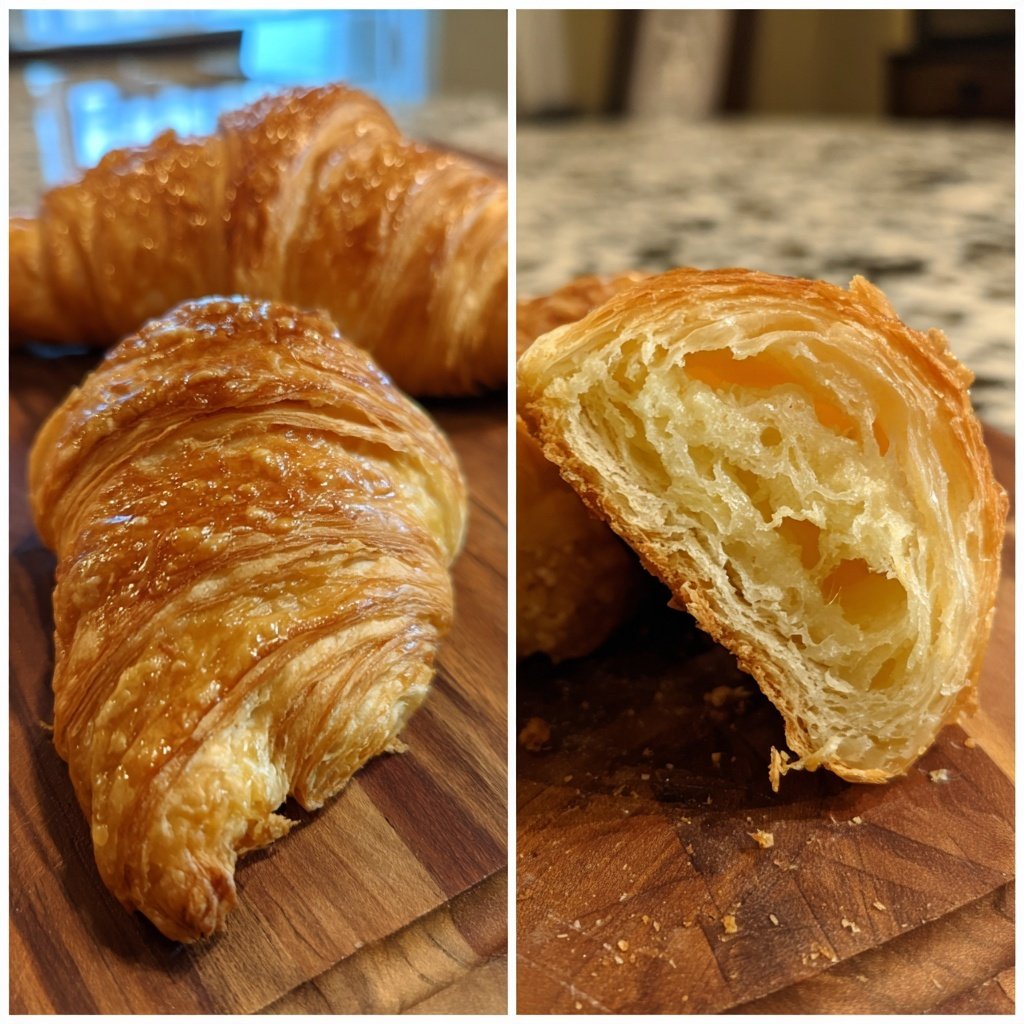
I have always found something magical about crafting my own croissants at home. The aroma of buttery dough wafting through the kitchen transports me to a charming Parisian bakery. Even though making croissants requires patience and precision, the end result is well worth the effort. Flaky layers that melt in your mouth, combined with the warm scent of fresh pastries, make the experience truly rewarding. In this recipe, I’ll guide you through the steps to achieve that perfect rise and texture, ensuring you enjoy every moment of the baking process.

On my journey to perfect homemade croissants, I discovered that the secret lies in the folding technique and the quality of butter used. After several trials, I realized that letting the dough rest adequately between folds creates those beautiful thin layers. Using high-fat European butter brought a richness that made my croissants taste as if they were baked in a quaint café in France.
The first time I took a bite of my croissant, I was over the moon! It was crunchy on the outside and soft on the inside, just like I imagined. Pairing them with a cup of freshly brewed coffee made for an unforgettable breakfast experience.
Why You'll Love These Croissants
- Perfect balance of flaky and buttery texture
- The aroma fills your kitchen with a delightful warmth
- Impress family and friends with your baking skills
Understanding Lamination
Lamination is the heart of croissant-making, creating the flaky texture we crave. This technique involves encasing cold butter in the dough, which is then rolled and folded multiple times. Each fold creates layers of dough and butter, which, during baking, steam and expand to form distinct layers. The key is to keep everything cold to maintain the integrity of the butter. If the butter melts into the dough, you’ll end up with a dense rather than flaky croissant.
Be mindful of your dough's temperature during the lamination process. If you notice the dough becoming too soft and sticky while rolling, take a break and chill it for about 10-15 minutes. This helps to reset the butter consistency and ensures a smooth rolling experience. Proper lamination takes practice, but watching those buttery layers develop will leave you with a sense of accomplishment.
Choosing the Right Ingredients
Using high-quality ingredients makes a significant difference in the outcome of your croissants. Opt for high-fat European butter, as it has a higher fat content compared to standard butter, which leads to a richer flavor and better layering. This type of butter melts slower, giving you the flaky texture that we all desire. If European butter is unavailable, you can use regular unsalted butter, but aim for the highest fat content you can find.
The flour you choose also plays a crucial role in your croissants’ texture. All-purpose flour works well, but you can achieve an even better result with bread flour, which has a higher protein content. This contributes to a stronger gluten structure, allowing your croissants to rise beautifully. If you're looking for a gluten-free option, consider using a blend designed for pastries; just keep in mind that the texture won't be identical.
Troubleshooting Common Issues
If your croissants don’t rise as expected, it could be a yeast issue. Ensure the yeast is fresh and active; it should bubble and foam when mixed with warm liquid. If they’re too dense, you might have handled the dough too much during lamination. Remember, the goal is to create layers, so gentle handling is key. If you find your dough isn’t rising enough during the proofing stage, try placing it in a warmer spot, or preheat your oven slightly then turn it off and let the croissants rise with the residual heat.
Another common problem is overly browned bottoms. To avoid this, place your baking sheet on a second inverted baking sheet; the extra layer acts as insulation, preventing direct contact with the oven’s heat. This way, your croissants will bake evenly and maintain golden, flaky exteriors while keeping the interiors soft and airy.
Ingredients
For the Dough
- 500g all-purpose flour
- 10g salt
- 40g granulated sugar
- 10g instant yeast
- 300ml whole milk
- 50g unsalted butter, melted
For the Butter Layer
- 250g high-fat European butter
For the Egg Wash
- 1 egg, beaten
- 1 tbsp milk
Instructions
Prepare the Dough
In a large mixing bowl, combine flour, salt, sugar, and dry yeast. Warm the milk until lukewarm, then mix it with the melted butter. Pour this mixture into the dry ingredients and mix until a dough forms. Knead for about 10 minutes until the dough is smooth. Cover and let it rise in a warm place for 1 hour.
Prepare the Butter Layer
While the dough is rising, take the European butter and shape it into a flat rectangle about 1 cm thick. Chill in the refrigerator until firm.
Laminate the Dough
Roll out the risen dough into a rectangle on a floured surface. Place the chilled butter in the center and fold the dough over it to encase the butter. Roll out into a long rectangle and fold into thirds. Repeat this process two more times with resting periods in between.
Shape the Croissants
After the final fold and rest, roll out the dough and cut it into triangles. Starting from the wide end, roll each triangle tightly toward the point. Place on a lined baking sheet, bending the ends to form a crescent shape.
Proof and Bake
Cover the shaped croissants with a kitchen towel and let them rise for another 1-2 hours. Preheat the oven to 200°C (400°F). Brush with the egg wash and bake for 15-20 minutes until golden brown.
Pro Tips
- For the flakiest croissants, ensure your butter is cold and the dough is well-chilled during the lamination process. Don’t skip the resting periods as they are crucial for the dough’s elasticity.
Storage and Reheating Tips
After baking, let your croissants cool completely at room temperature before storing. Place them in an airtight container at room temperature for up to two days. For longer storage, consider freezing them. Wrap each croissant tightly in plastic wrap and then in aluminum foil. They can be frozen for up to three months and reheated directly from the freezer in a preheated oven at 180°C (350°F) for about 10-15 minutes, until warmed through and crisp again.
If you're short on time in the mornings, you can also prepare the croissants up to the shaping step and refrigerate them overnight. In the morning, simply allow them to proof for an additional hour before baking. This method preserves the texture while fitting into a busy schedule, ensuring you wake up to warm, flaky croissants ready for breakfast.
Serving Suggestions
Croissants are delightful on their own, but they can also be transformed into a gourmet experience with simple toppings. Consider serving them with a spread of artisanal jams or honey for a sweet touch, or pair them with a rich chocolate filling for an indulgent treat. You can even create a savory version by adding cheese and ham before rolling, perfect for a brunch gathering.
For a sophisticated breakfast or brunch option, serve your croissants with a side of fresh fruit and a light salad. The flaky pastry complements the juicy sweetness of seasonal fruits beautifully. A cup of freshly brewed coffee or tea pairs perfectly with these buttery delights, making any moment feel elevated.
Questions About Recipes
→ Can I use regular butter instead of European butter?
While you can use regular butter, European butter has a higher fat content which results in a flakier pastry.
→ How long do the croissants stay fresh?
Croissants are best enjoyed fresh, but you can store them in an airtight container at room temperature for up to 2 days.
→ Can I freeze the croissants?
Yes! You can freeze unbaked croissants. Just shape them and freeze before the final rise, then bake them directly from the freezer, allowing extra time.
→ What is the best way to reheat croissants?
To reheat, place croissants in a preheated oven at 180°C (350°F) for about 5-10 minutes to restore their crispiness.
Classic French Croissants
Created by: Juliet Ashford
Recipe Type: Favorite Baking Collection
Skill Level: Intermediate
Final Quantity: 12 croissants
What You'll Need
For the Dough
- 500g all-purpose flour
- 10g salt
- 40g granulated sugar
- 10g instant yeast
- 300ml whole milk
- 50g unsalted butter, melted
For the Butter Layer
- 250g high-fat European butter
For the Egg Wash
- 1 egg, beaten
- 1 tbsp milk
How-To Steps
In a large mixing bowl, combine flour, salt, sugar, and dry yeast. Warm the milk until lukewarm, then mix it with the melted butter. Pour this mixture into the dry ingredients and mix until a dough forms. Knead for about 10 minutes until the dough is smooth. Cover and let it rise in a warm place for 1 hour.
While the dough is rising, take the European butter and shape it into a flat rectangle about 1 cm thick. Chill in the refrigerator until firm.
Roll out the risen dough into a rectangle on a floured surface. Place the chilled butter in the center and fold the dough over it to encase the butter. Roll out into a long rectangle and fold into thirds. Repeat this process two more times with resting periods in between.
After the final fold and rest, roll out the dough and cut it into triangles. Starting from the wide end, roll each triangle tightly toward the point. Place on a lined baking sheet, bending the ends to form a crescent shape.
Cover the shaped croissants with a kitchen towel and let them rise for another 1-2 hours. Preheat the oven to 200°C (400°F). Brush with the egg wash and bake for 15-20 minutes until golden brown.
Extra Tips
- For the flakiest croissants, ensure your butter is cold and the dough is well-chilled during the lamination process. Don’t skip the resting periods as they are crucial for the dough’s elasticity.
Nutritional Breakdown (Per Serving)
- Calories: 350 kcal
- Total Fat: 25g
- Saturated Fat: 15g
- Cholesterol: 80mg
- Sodium: 120mg
- Total Carbohydrates: 32g
- Dietary Fiber: 1g
- Sugars: 3g
- Protein: 7g